Fellowship for Emerging Leaders
Building a growing base of principled leaders for North Carolina.
The E.A. Morris Fellowship brings together emerging leaders from across the state to develop the knowledge, skills, and relationships to bring public and private institutions together to solve key problems.

About the fellowship
A legacy of leadership, carried forward.
The E.A. Morris Fellowship for Emerging Leaders was established to honor the memory of Edwin A. Morris and accepted its inaugural class of Fellows in 2006.
Ed Morris passed away on July 31, 1998, but through the E.A. Morris Charitable Foundation and this Fellowship, his legacy of leadership continues — training and energizing new leaders for the future of North Carolina.
The program is administered by the John Locke Foundation. In each of its years of operation it has graduated outstanding Fellows in diverse professional fields, and this experience has already begun to generate a growing base of emerging leaders who understand how to bring people and institutions together.
In memory of
Edwin A. Morris, 1903–1998
Inducted into the North Carolina Business Hall of Fame, 1993
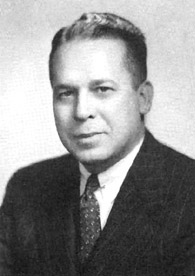
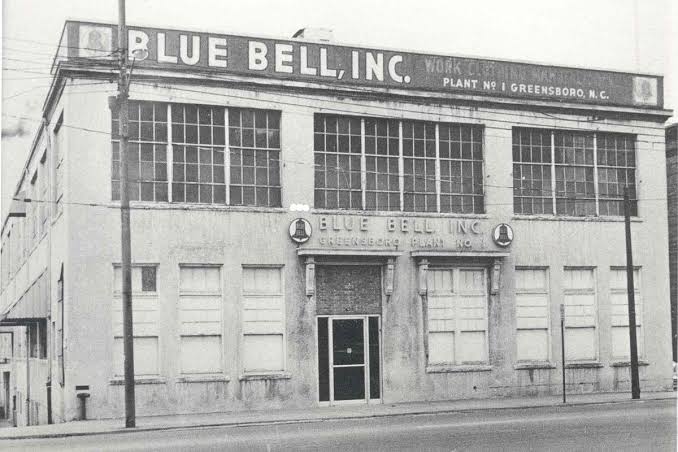
One of the country's premier marketing and clothing executives, Edwin A. Morris built the world's largest manufacturer of work and recreational clothing during the mid-twentieth century: Blue Bell, Inc.
Born in Cabarrus County on August 13, 1903, the youngest of five children, Morris grew up picking cotton on a farm in Concord, earning 50 cents for every 100 pounds he picked. He received a bachelor's degree in business administration from Washington and Lee University in 1926, attended Harvard Business School for a year, and then went to work for a Massachusetts textile firm.
“Once you've done that, everything else is easy.”
It all started with overalls
In 1904, C.C. Hudson and Associates launched the Hudson Overalls Company in Greensboro. After buying out his partners, Hudson renamed the company Blue Bell. In 1937, Edwin Morris joined Blue Bell-Globe Manufacturing as plant manager in Abingdon, Illinois; four years later he became executive vice president in charge of manufacturing.
In 1948, Morris became president and CEO. A marketing whiz, he saw potential in a little-used brand the company had acquired: Wranglers. Eager to challenge Levi Strauss and Lee, Blue Bell enlisted world-champion cowboys to wear-test and endorse the jeans, and diversified into dungarees, shirts, women's and children's clothing, and much more.
By 1955 the firm had $53 million in sales, making it the world's largest producer of work and play clothes. Morris added four new plants in his first seven years as president, bringing the total to 28 plants in seven states. He was elected chairman of the board in 1966 and remained CEO until 1971, serving as chairman until his retirement in 1981.
“I'm a survivor.”
Personally frugal and unassuming, Morris nonetheless counted among his friends and associates leaders and emerging leaders in business, politics, and academia — including Jesse Helms, Lauch Faircloth, Terry Sanford, Joseph Bryan, and Jim Martin.
In 1980 he was awarded an honorary doctor of law degree from Washington and Lee University, the same year the E.A. Morris Charitable Foundation was established. After a cancer diagnosis late in life, his initial $1 million gift in 1978 to the Duke Comprehensive Cancer Center was followed by others to improve the health and survival of patients seeking treatment there. The Foundation has also been a generous benefactor of the Greensboro Public Library, Washington and Lee University, the John Locke Foundation, and many religious and civic organizations.
Legacy becomes a fellowship
The Fellowship grew out of several organizational ideas focused on citizenship and free enterprise. One was the North Carolina Institute for Citizenship, conceived in early 2003 to support citizens actively involved in government. Out of it grew a related concept, the North Carolina Free Enterprise Institute, whose mission narrowed to focus on emerging leaders aged 25–35 and incorporated training in effective communication and other skills.
On August 13, 2003 — the centennial of Mr. Morris's birth — a discussion to renew that mission took place in Raleigh under the sponsorship of the E.A. Morris Foundation. The organization was incorporated as the Center for Citizenship, Enterprise, and Government under longtime community leader Jim Lofton.
Jim Lofton's death in 2006 left those plans unfulfilled. Rather than abandon the vision of training and promoting young leaders inspired by Ed Morris, the CCEG, E.A. Morris, and John Locke Foundation boards agreed to transfer responsibility for the leadership program to the John Locke Foundation — a natural fit, as the E.A. Morris Foundation had been a contributing founder of JLF in 1990, and the missions were closely aligned.
With thanks to Mr. John Thomas, President of the E.A. Morris Charitable Foundation, and the E.A. Morris Board, for their continued financial and moral support of this Fellowship.
The program
What the fellowship includes
Intensive seminars and leadership training, public policy events, directed readings, and the tools to lead on a local problem.
Leadership retreats
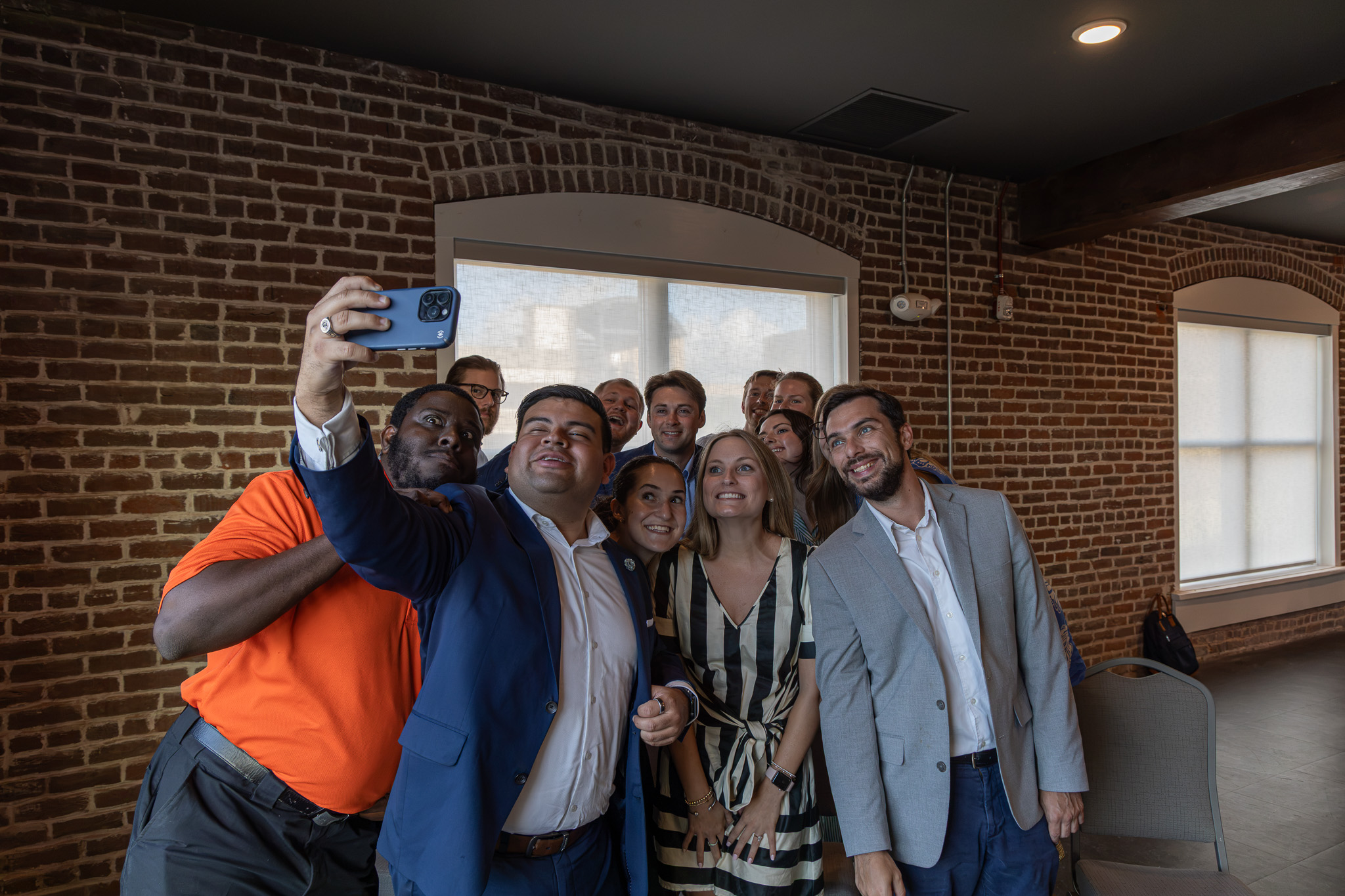
Three mandatory retreats held at different locations around the state each year, developing the individual Fellow's leadership skills and building the class into a network.
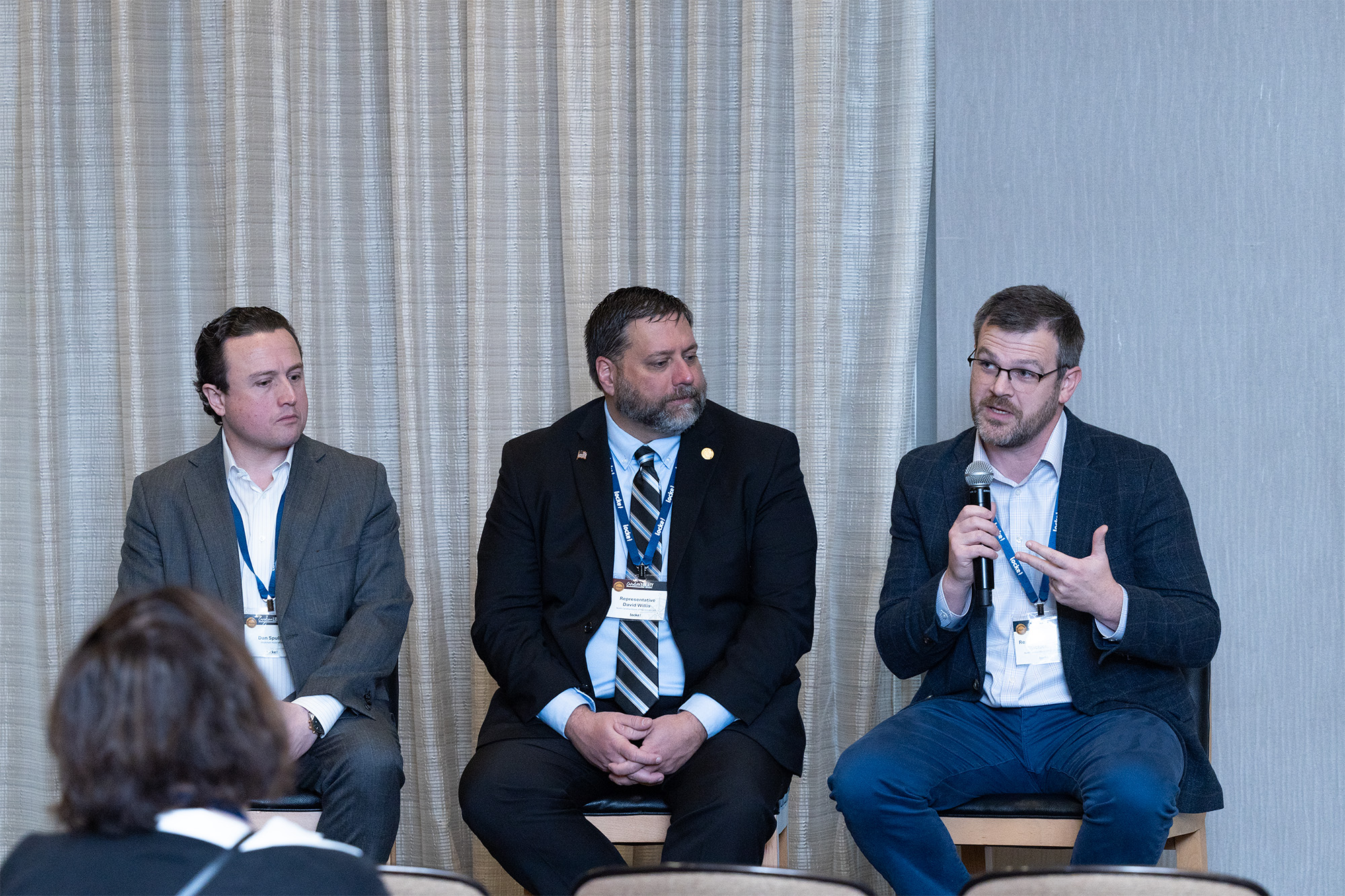
Local forums
Four events or conferences over the year, sponsored by universities, civic groups, think tanks, and other organizations — chosen by each Fellow from an approved list.
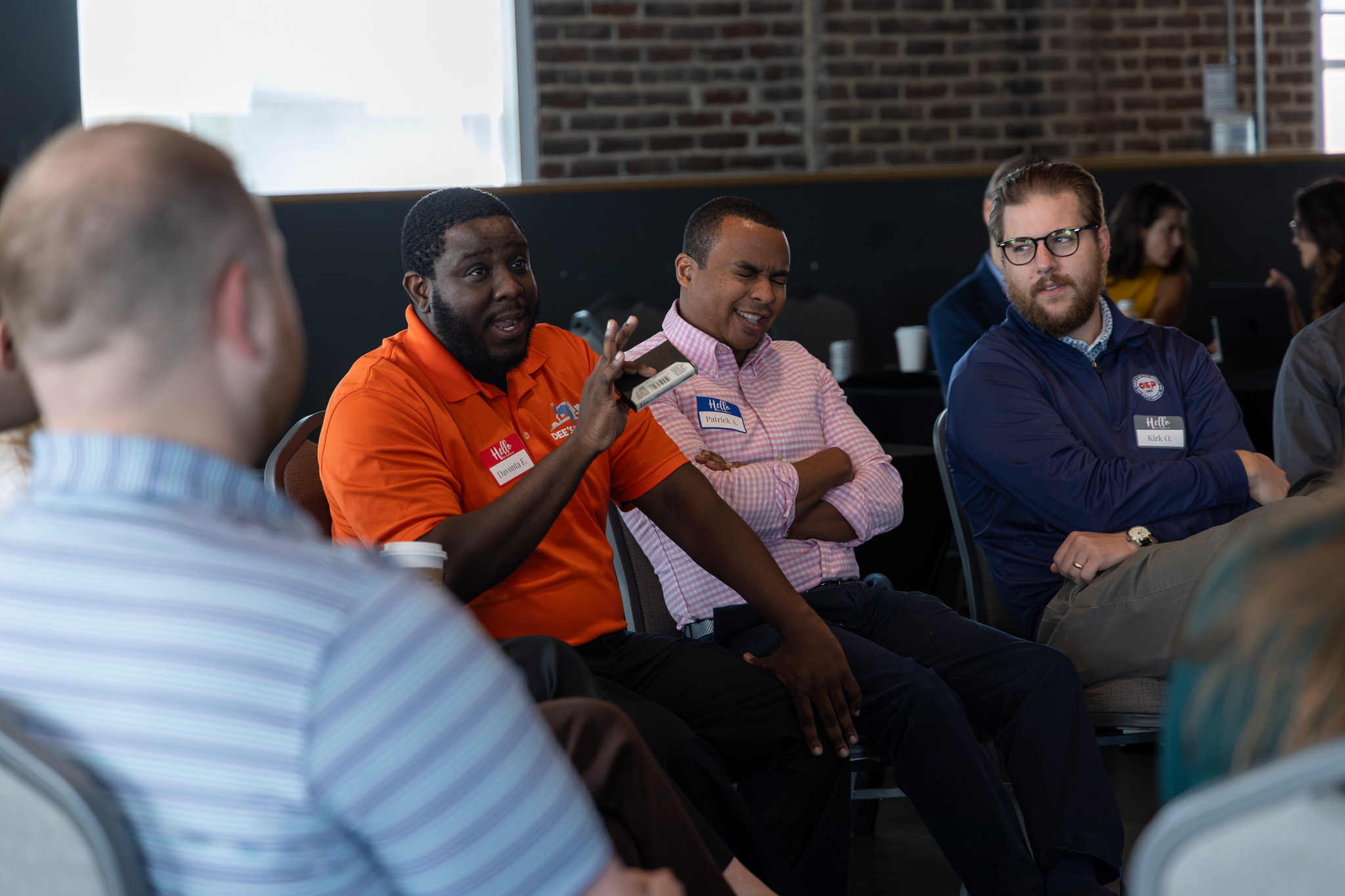
A leadership project
The focus of the yearlong effort: a volunteer, nonprofit, business-led, or public-sector undertaking in which Fellows develop a team and lead.
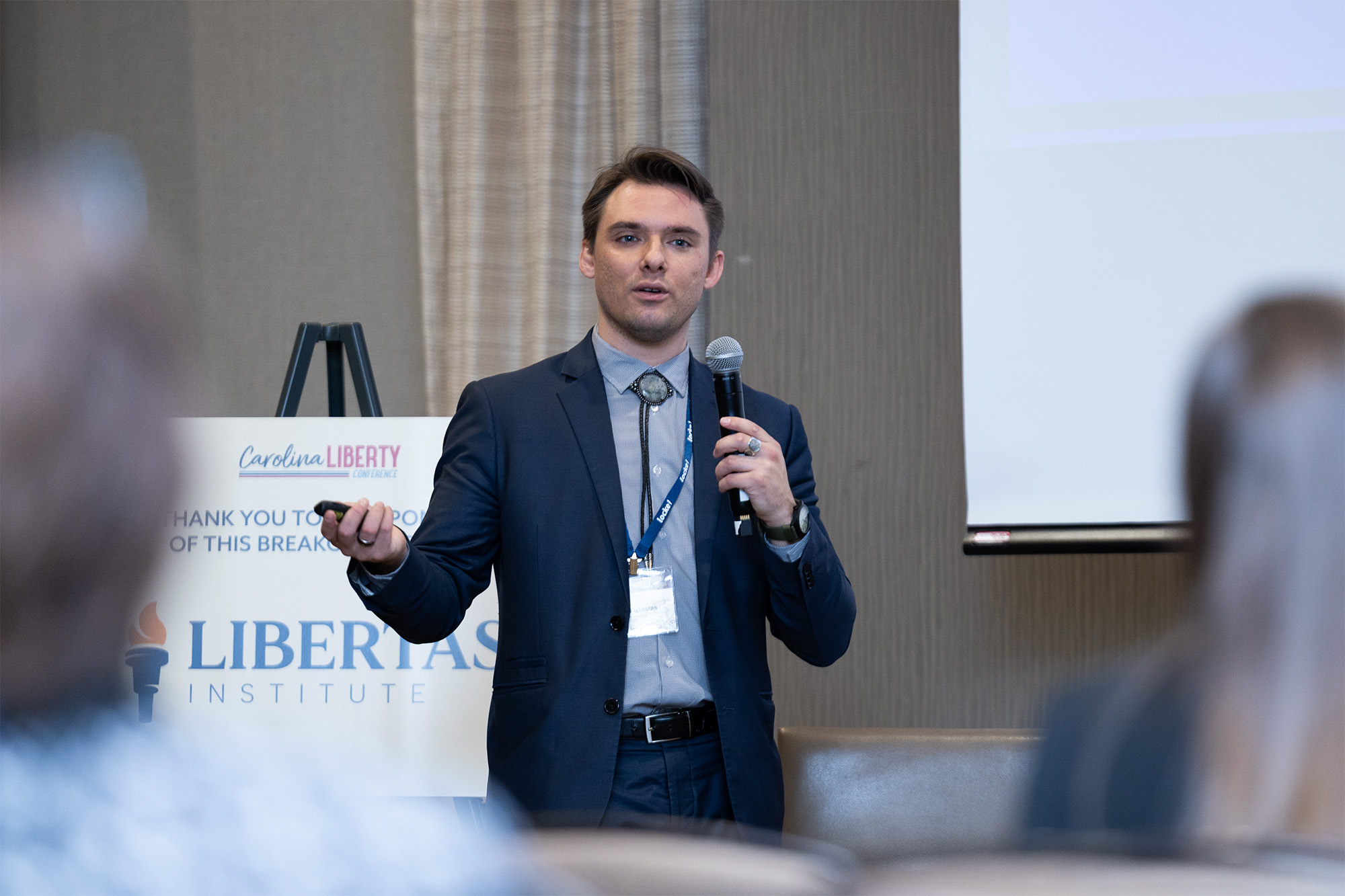
Public recognition
Fellows' commitment and hard work are formally recognized at the Hello/Farewell gala, closing out the Fellowship year.
The Fellowship develops further understanding of
- Spotting opportunities for leadership in a local community
- Ethics for developing leadership
- Elements of fundraising and philanthropy
- Program planning and evaluation
- Economic analysis and how to use it
- Speaking in public and in the media
- Modern electoral politics
- Emotional intelligence and organizational effectiveness
- Finding and cultivating like-minded volunteers, donors, and activists
The Selection Process

- 1
Check eligibility
Check our specific eligibility criteria.
- Between the ages of 25 and 40.
- Must be a resident of North Carolina and a U.S. citizen.
- Must be willing to complete a special project requiring teamwork, leadership, and innovative thinking on a local level.
- Candidates should avoid creating conflicting commitments with concurrent professional or personal development programs.
- Must be willing and able to attend all program events associated with the Fellowship.
- Must not be the spouse of a current or past Fellow.
Desirable characteristics
- Interest and commitment to ethical, principled, and effective leadership, as demonstrated within a professional, government, church or community setting.
- Personal qualities should include integrity, intelligence and confidence, plus strong organizational, and oral and written communication skills.
- Professional or community experience that demonstrates work ethic, competence, leadership, reliability, and overall performance.
- Personal goals that are focused, positive, and include future-oriented objectives.
- 2
Apply
Complete the application below by December 15th, 2026.
- 3
Selection Weekend
Finalists are invited to Selection Weekend, February 6–7, 2027, for the next stage.
- 4
Final decisions
The incoming class of Fellows is announced.
Questions about the application process? Reach us at info@eamorrisfellows.org.
Apply now
Complete and submit the application below by the December 15, 2026 deadline.
Our Leadership

John Hood
John Hood is president of the John William Pope Foundation, a Raleigh-based grantmaker supporting public policy, education, the arts, and humanitarian relief. He helped found the John Locke Foundation in 1989 and led it as president for more than two decades, and he serves on its board. Since 1986 he has written a syndicated column on politics and public policy appearing in North Carolina newspapers and 50 other communities, and he is a frequent radio and television commentator. Hood is the author of seven nonfiction books and the historical-fantasy novels Mountain Folk (2021), Forest Folk (2022), and Water Folk (2024). He teaches at Duke University's Sanford School of Public Policy and was a Bradley Fellow at the Heritage Foundation. At Locke, Hood created the E.A. Morris Fellowship for Emerging Leaders to prepare young North Carolinians for leadership roles in the public and private sectors.

Victoria Wakefield
Victoria Wakefield is the Program Director of the E.A. Morris Fellowship for Emerging Leaders. She also serves as Senior Director of Organizational Intelligence at State Policy Network, where she aligns organizational KPIs and builds systems that turn information into clarity, coordination, and impact. A Gallup-Certified Strengths Coach, she brings a people-centered approach to organizational design, helping colleagues and network partners unlock their talents to drive meaningful results. A proud NC State University alum and Charlotte native, she lives in her hometown and is hopelessly devoted to the Carolina Panthers.
2027 Fellowship Calendar
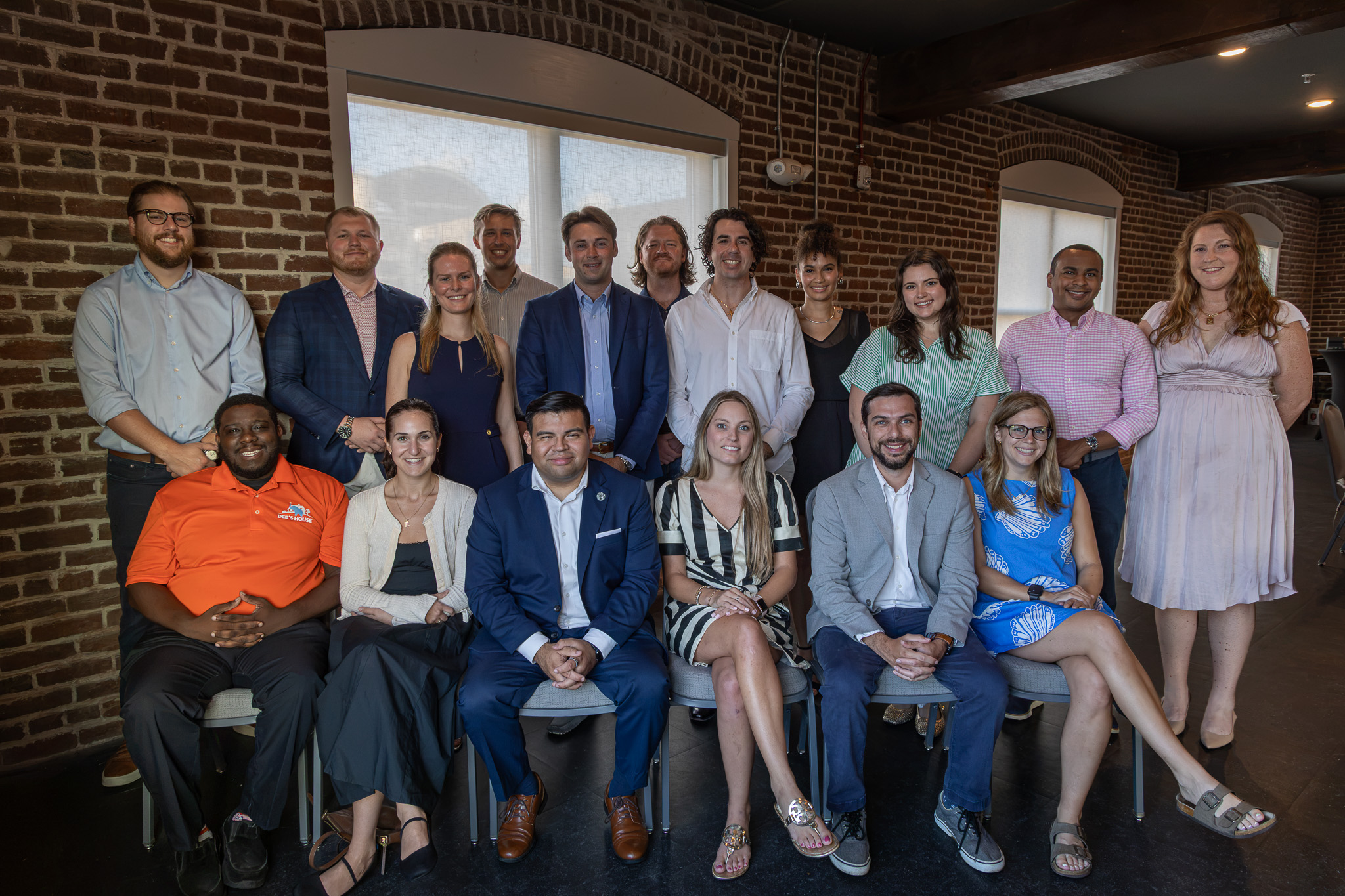
Join the next generation of North Carolina leaders.
Our network
Meet the fellows
No fellows match your search.